
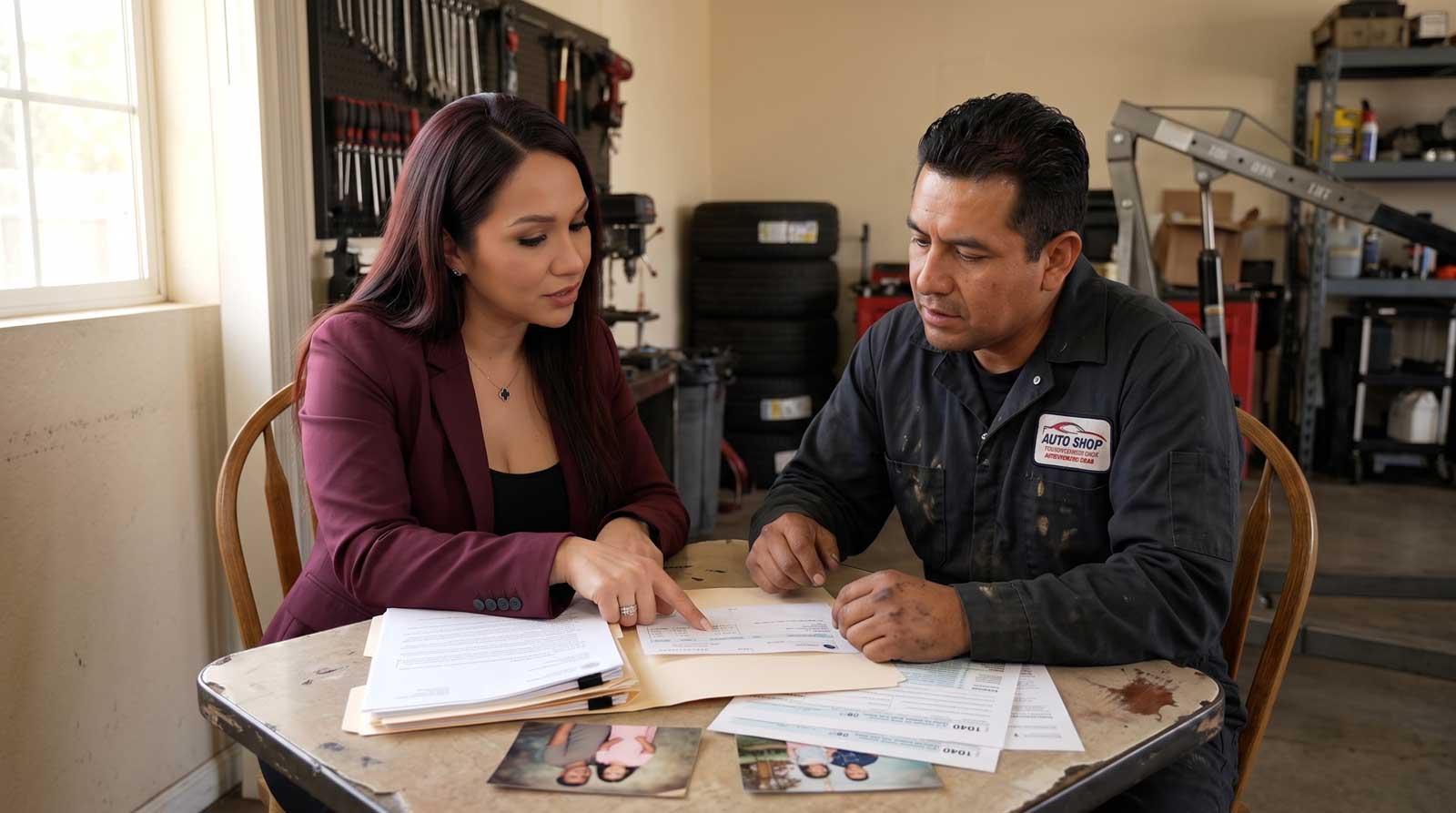
At a glance: Cancellation of removal is relief that can stop a deportation case, and in some cases lead to a green card, without requiring you to leave the United States. There are two versions. Lawful permanent residents apply on Form EOIR-42A. People who are not permanent residents apply on Form EOIR-42B. Both require years of continuous presence in the U.S., good moral character, and no disqualifying convictions. Non-permanent resident cases carry an extra requirement: proof that removal would cause exceptional and extremely unusual hardship to a U.S. citizen or lawful permanent resident spouse, parent, or child. An immigration judge decides these cases in removal proceedings, and non-permanent resident grants are capped nationwide each year. Strong documentation is what separates a granted case from a denied one.
What Is Cancellation of Removal?
Cancellation of removal is a defense available to certain people who are already in removal (deportation) proceedings before an immigration judge. It does not prevent the government from placing someone in proceedings, but if the judge grants it, the removal case ends. For lawful permanent residents, a grant means keeping the green card. For people who are not permanent residents, a grant means the immigration judge adjusts their status directly to that of a lawful permanent resident. Cancellation of removal is one of several forms of relief evaluated as part of a broader removal defense strategy.
The Two Types of Cancellation of Removal
Cancellation of Removal for Lawful Permanent Residents (Form EOIR-42A)
According to the U.S. Department of Justice’s Executive Office for Immigration Review (EOIR), you must show that you have held lawful permanent resident status for at least five years, that you have at least seven years of continuous residence in the United States after being admitted in any status, and that you have not been convicted of an aggravated felony. The seven years must accrue before you were served with a Notice to Appear or before you committed certain listed offenses, whichever comes first. An aggravated felony conviction is an absolute bar, and immigration law defines that term more broadly than many state criminal codes do.
Cancellation of Removal for Non-Permanent Residents (Form EOIR-42B)
According to EOIR, this version requires at least ten years of continuous physical presence in the United States, good moral character during that period, no conviction for an offense covered under specific grounds of inadmissibility or removability, and proof that your removal would cause exceptional and extremely unusual hardship to a qualifying U.S. citizen or lawful permanent resident spouse, parent, or child. Your own hardship does not count on its own; it matters only to the extent it affects that qualifying relative. This is the element that decides most cases, and it requires more than the ordinary hardship any family experiences when a member is removed.
What Documents Build a Strong Case
Judges decide these cases on the evidence in the record, not on sympathy alone. A strong file typically includes:
- Proof of continuous presence or residence: leases, tax returns, school records, medical records, pay stubs, and utility bills spanning the required years
- Evidence of good moral character: character letters, proof of community involvement, and, where applicable, evidence that any past issues have been resolved
- Complete criminal history records and certified dispositions for every arrest, even ones that did not lead to conviction
- For non-permanent resident cases, detailed documentation of the qualifying relative’s medical, educational, financial, or psychological needs, including expert evaluations where relevant
- A personal statement that ties the evidence together and explains, specifically, what would happen to the qualifying relative if removal occurred
How the Process Works
Cancellation of removal can only be raised as relief once you are already in removal proceedings before an immigration judge. The application, Form EOIR-42A or EOIR-42B, is filed with the immigration court handling your case, along with the required filing fee and biometrics fee. You must also serve a copy on the DHS Immigration and Customs Enforcement attorney assigned to your case. After filing, DHS conducts a biometrics and background check, and the judge schedules an individual merits hearing where you and your witnesses testify and the judge reviews the documentary evidence. The judge then decides whether you meet the legal requirements and, if so, whether you deserve a grant as a matter of discretion.
Common Mistakes That Sink a Case
- Waiting until close to the hearing date to start gathering years-old records, which can take months to obtain
- Treating the physical presence or residence requirement as satisfied without accounting for how a Notice to Appear or certain offenses can stop the clock
- Underestimating the aggravated felony bar, since many offenses that sound minor under state law qualify as aggravated felonies under federal immigration law
- Submitting a hardship case built only around general hardship, rather than the specific, documented impact on a qualifying relative
- Filing without accounting for the annual cap on non-permanent resident grants, which can affect how long a final decision takes even after eligibility is established
When to Call an Immigration Attorney
If you have received a Notice to Appear, or if you are already in removal proceedings and believe you may meet the years-of-residence and hardship requirements described above, you should speak with an immigration attorney as early as possible. Building the hardship record, especially for non-permanent resident cases, takes time, and evidence is far easier to gather before a hearing date is set than in the weeks right before it.
What is the difference between cancellation of removal for permanent residents and non-permanent residents?
Cancellation for lawful permanent residents (Form EOIR-42A) requires five years as a green card holder, seven years of continuous residence, and no aggravated felony conviction. Cancellation for non-permanent residents (Form EOIR-42B) requires ten years of continuous physical presence, good moral character, no disqualifying conviction, and proof of exceptional and extremely unusual hardship to a qualifying U.S. citizen or lawful permanent resident relative.
What counts as exceptional and extremely unusual hardship?
It is a higher standard than the hardship any family feels when a loved one is removed. Judges look at factors such as a qualifying relative’s serious medical condition, significant lack of medical care in the country of removal, strong dependency on the applicant, and educational or developmental needs that cannot reasonably be met abroad. These factors must be documented, not simply described.
Can I qualify for cancellation of removal if I have a criminal record?
It depends on the offense and which type of cancellation applies to you. An aggravated felony conviction is an absolute bar to cancellation of removal for lawful permanent residents. Both categories of cancellation are barred by certain other convictions as well. An immigration attorney can review your record against the specific bars that apply.
How long does a cancellation of removal case take?
Timelines vary widely by immigration court and by whether the case involves detention. Non-detained cases can take a year or more from filing to a merits hearing given current court backlogs, and non-permanent resident cases are also subject to an annual cap on the number of grants issued nationwide, which can add delay even after a judge finds an applicant eligible.
What happens if my case is granted?
If a lawful permanent resident’s case is granted, that person keeps permanent resident status. If a non-permanent resident’s case is granted, the immigration judge adjusts that person’s status directly to lawful permanent resident. Evidence of the new status is later issued through the Department of Homeland Security.
This article provides general information about immigration law and does not constitute legal advice. Immigration cases are fact-specific, and outcomes depend on the details of each case. Contact an immigration attorney to discuss your specific situation.
Questions about your own case?
This guide is general information, not legal advice for your situation. New clients are taken from a waiting list. Call the office to ask about current availability.