
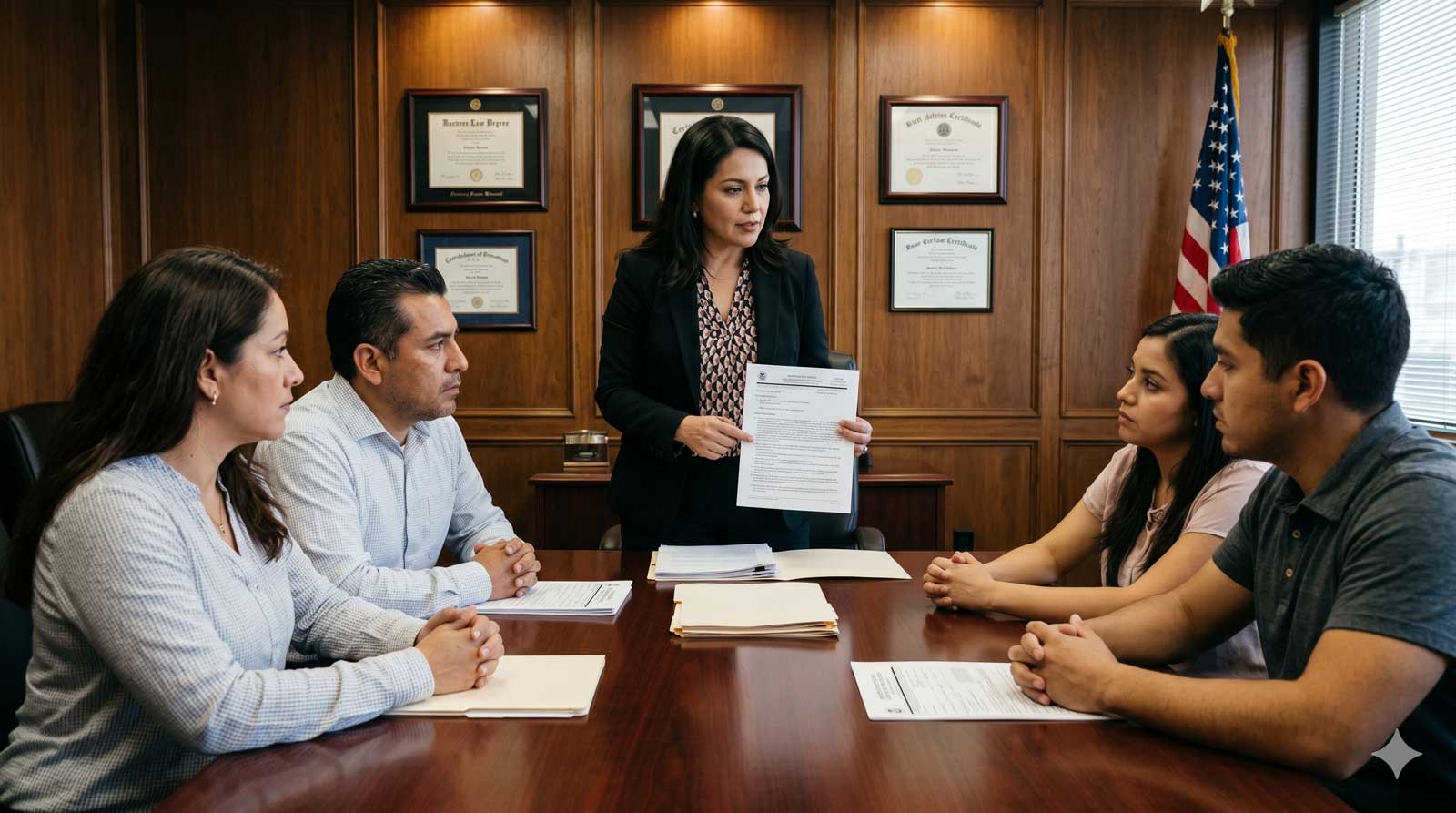
At a glance (120 words): On May 22, 2026, USCIS issued Policy Memorandum PM-602-0199, declaring that applying for a green card inside the United States, the process known as adjustment of status, is now considered extraordinary relief rather than a standard option. USCIS officers are directed to send most applicants abroad to complete their green card through consular processing at a U.S. embassy or consulate instead. The memo took effect immediately and may apply to pending I-485 applications already in the system. This is not a new law passed by Congress. It is a policy directive that gives USCIS officers broader discretion to deny or scrutinize AOS applications. Legal challenges are expected. If you have a pending I-485 or were planning to file one, this post explains what the change means, what questions you need to answer, and why talking to an attorney now matters.
What USCIS Changed and Why It Matters
For decades, most people eligible for a family-based green card who were already living in the United States could choose between two paths: apply for permanent residence while staying in the U.S. through the I-485 adjustment of status process, or leave the country and apply for an immigrant visa at a U.S. consulate or embassy abroad through consular processing.
For the vast majority of applicants, adjustment of status inside the U.S. was the preferred route. It avoids the risk of departure, keeps families together during processing, and sidesteps potential bars to reentry for people with certain immigration histories.
That calculus changed on May 22, 2026.
USCIS issued Policy Memorandum PM-602-0199, titled: “Adjustment of Status is a Matter of Discretion and Administrative Grace, and an Extraordinary Relief that Permits Applicants to Dispense with the Ordinary Consular Visa Process.” The memo instructs USCIS officers that immigrant visa processing abroad, consular processing, is the standard pathway to permanent residence, and that adjustment of status inside the U.S. should be reserved for extraordinary circumstances.
The official USCIS press release stated: ” From now on, an alien who is in the U.S. temporarily and wants a Green Card must return to their home country to apply, except in extraordinary circumstances.”
The memo took immediate effect on May 22, 2026, and USCIS has indicated it may be applied to both future applications and cases already pending in the system.
What This Is, and What It Is Not
Before anything else, this distinction matters: PM-602-0199 is a USCIS policy memorandum, not a law passed by Congress.
The underlying statute, Section 245 of the Immigration and Nationality Act, has not changed. It still grants USCIS the authority to approve adjustment of status applications on a discretionary basis. What has changed is how USCIS is directing its officers to exercise that discretion. Instead of treating AOS as a routine option available to eligible applicants, officers are now told to treat it as an exceptional measure that requires justification.
This is significant for several reasons:
- Policy memos can be challenged in federal court. Legal challenges are expected and may result in injunctions limiting or blocking the memo’s application.
- The memo’s key term, “extraordinary circumstances”, is not defined. Officers will be making individual judgments with no clear standard, at least initially.
- The impact on pending I-485 cases is genuinely uncertain. USCIS has indicated the memo may apply to pending applications, but how that plays out in practice is not yet clear.
None of this means the memo should be dismissed. It is real, it took immediate effect, and it is being applied now. But it also means the situation is still developing, and decisions made in the next few weeks based on incomplete information could cause serious harm.
Who Is Affected
The memo broadly affects nonimmigrants, people in the U.S. on temporary status, who have an approved immigrant petition and were planning to complete their green card through adjustment of status. This includes:
- Spouses, parents, and children of U.S. citizens with a pending or recently approved I-130
- Spouses and children of lawful permanent residents waiting for a visa number to become current
- People on tourist, student, or other temporary visas who are also pursuing a family-based green card
- Anyone who has already filed Form I-485 and is waiting for a decision
Early guidance from immigration attorneys suggests that people on dual-intent visas, H-1B, L-1, and certain others, may face less scrutiny under the new memo because those visa categories already contemplate the possibility of immigrant intent. However, this is not a formal exemption and should not be assumed without legal review.
What the New Policy Means for Pending I-485 Cases
This is the most unsettled question right now, and the honest answer is: it depends, and no one knows fully yet.
What immigration attorneys are observing in the days since the memo’s release:
- USCIS has indicated the policy may apply to pending applications, meaning cases already in the system are not automatically protected.
- Officers may issue Requests for Evidence asking applicants to justify why adjustment of status, rather than consular processing, is appropriate in their specific case.
- Cases that were moving toward interview scheduling may be paused or redirected pending further guidance.
- Some applicants may receive denials and be directed to pursue consular processing abroad.
What is being widely advised across the immigration bar: do not withdraw a pending I-485 application and do not depart the United States based on this news alone. Withdrawing an application or leaving the U.S. without a full legal analysis of your specific situation could trigger consequences, including unlawful presence bars, that are far more damaging than the policy change itself.
The Consular Processing Risk Every AOS Applicant Must Understand
For people with a straightforward immigration history, entered legally, no unlawful presence, no prior orders of removal, consular processing is a viable path. The process takes place at a U.S. embassy or consulate in your home country, and if approved, you enter the United States as a lawful permanent resident.
But for a significant portion of the family-based immigration population, leaving the United States to pursue consular processing is not that simple. Here is why:
Unlawful presence bars. If you have accumulated more than 180 days of unlawful presence in the United States and then depart, you trigger a 3-year bar to reentry. More than one year of unlawful presence triggers a 10-year bar. These bars apply at the moment of departure, you cannot undo them by returning quickly. For someone who entered without inspection or overstayed a visa, this analysis is critical before any departure.
Prior removal orders. If you have a prior removal order on record, even one from years ago that was never executed, departing the United States and attempting to return through consular processing can result in the order being enforced and a permanent or long-term bar to admission.
Grounds of inadmissibility. Consular officers abroad conduct their own independent review of admissibility. Issues that may have been manageable inside the U.S. through the adjustment process can become harder obstacles at a consulate.
Anyone considering whether consular processing is a viable option must have a complete legal analysis of their admissibility before taking any step toward departure. This is not a decision to make based on general information.
What Happens at a USCIS Interview Under the New Policy
For applicants who do proceed with or maintain a pending I-485, interviews may look different under the new policy. USCIS officers are now directed to evaluate whether adjustment of status is warranted, not just whether the applicant is otherwise eligible. That means officers may ask:
- Why are you applying to adjust status inside the United States rather than through a consulate?
- What are the circumstances that justify this approach?
- What would happen if you were required to process your green card abroad?
These are not questions that most AOS applicants have had to answer before. Preparation for an I-485 interview now needs to include a clear, documented answer to why adjustment inside the U.S. is appropriate for this specific applicant, particularly if there are no obvious barriers to consular processing.
What to Do Right Now
If you have a pending I-485 application or were in the process of preparing one, the most important step is to talk to an immigration attorney before taking any action. Specifically:
- Do not withdraw your pending I-485 without a full legal analysis. Withdrawing puts you back at the beginning and may expose you to risks that remaining in the process does not.
- Do not depart the United States based on this news alone. Departure triggers a separate set of legal consequences depending on your immigration history. What feels like compliance could create a far worse outcome.
- Do not assume your case is automatically denied. The memo is new, the legal landscape is developing, and challenges are in progress. Individual case outcomes will depend on specific facts.
- Do get a full review of your file. Your entry history, any unlawful presence, any prior orders, your current status, and the basis of your petition all affect how this policy applies to you.
The Law Offices of Karen S. Monrreal are actively advising clients on the impact of this policy change on family-based immigration cases. If you have a pending I-485 or a green card application in progress, call us at (775) 826-2380 or contact us online. The earlier you get clarity on your specific situation, the more options you have.
Frequently Asked Questions
What did USCIS change about adjustment of status on May 22, 2026?
USCIS issued Policy Memorandum PM-602-0199 directing officers to treat adjustment of status as extraordinary relief rather than a standard option. Most applicants are now expected to complete their green card through consular processing abroad. The memo took effect immediately and may apply to pending I-485 cases.
Does this affect my pending I-485 application?
Possibly. The memo states it may apply to both pending and future cases. What this means in practice is still developing. Do not withdraw your application or leave the U.S. based on this news alone. Contact an immigration attorney to review your specific situation.
What does extraordinary circumstances mean under the new policy?
USCIS has not defined this term in the memo. Officers are directed to evaluate cases individually. This is one of the most unsettled aspects of PM-602-0199 and may be clarified through further guidance or court decisions.
What is consular processing and what are the risks?
Consular processing means applying for an immigrant visa at a U.S. consulate abroad. For people with unlawful presence history or prior removal orders, departing the U.S. can trigger 3-year or 10-year bars to reentry. A full legal analysis of your admissibility is required before any departure.
Is this a new law?
No. It is a USCIS policy memorandum directing officers to exercise their existing statutory discretion more restrictively. The underlying statute, INA Section 245, has not changed. Legal challenges are expected and may limit or block the memo’s application.
Should I still file my I-485?
This depends entirely on your individual circumstances. Speak with an immigration attorney before making any filing decision based on this policy change.
This article is general information, not legal advice. Policy Memorandum PM-602-0199 was issued on May 22, 2026 and the situation is developing rapidly. Court challenges, new USCIS guidance, and further developments may significantly affect how this policy is applied. Verify current status with an immigration attorney before making any decisions about a pending or planned I-485 application. Contact the Law Offices of Karen S. Monrreal at (775) 826-2380 for guidance specific to your case.
Questions about your own case?
This guide is general information, not legal advice for your situation. New clients are taken from a waiting list. Call the office to ask about current availability.