
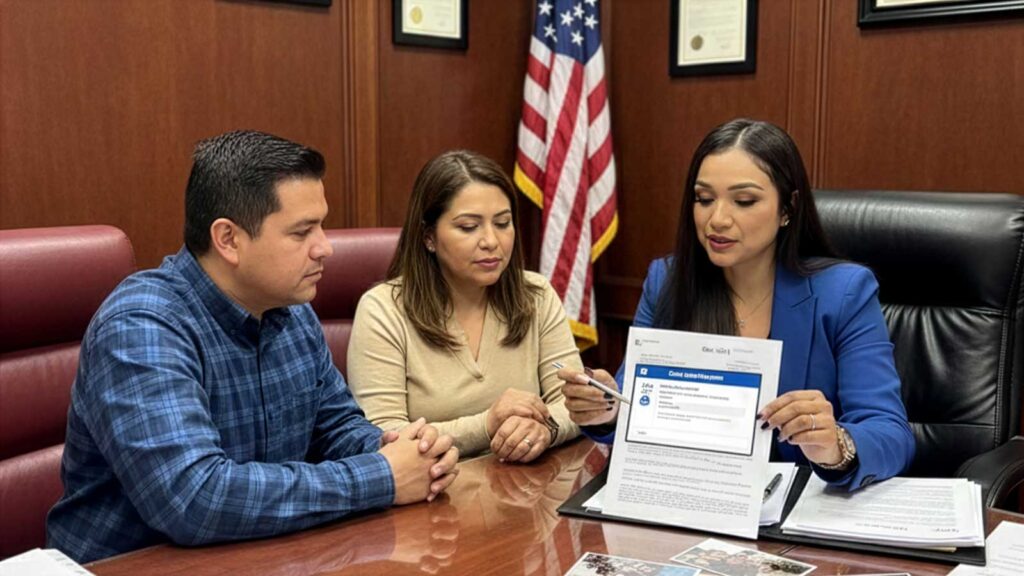
At a glance (120 words): You can post an immigration “cash bond” with ICE ERO either online through the CeBONDS portal or in person at a Bond Acceptance Facility. The person who pays is the obligor. In most cases, the obligor must be a U.S. citizen or lawful permanent resident age 18 or older. Firms and qualified nonprofits can also post electronically. Online payments clear by Fedwire fastest, ACH can take longer. In-person payments usually require a cashier’s check or money order for the full amount. After posting, the obligor receives Form I-305 (bond receipt) and the detainee is released once ICE processes the payment. Refunds come later, after ICE issues Form I-391 (bond cancellation). To get the refund, the obligor submits I-391 and the original I-305 to DHS’s Debt Management Center.
Key points:
- Two ways to pay: online via CeBONDS, or in person at an ERO Bond Acceptance Facility.
- Obligor eligibility matters. Bring valid ID and proof of status; names must match.
- Use Fedwire for fastest electronic release confirmation; ACH may delay release.
- Keep every document. You will need I-305 and I-391 for refunds.
- Confirm bond posting hours. Many offices process bonds roughly 9 a.m. to 3 p.m. local time.
Who can pay the bond (obligor eligibility)
- U.S. citizen or lawful permanent resident, age 18+.
- For online CeBONDS, certain law firms and qualified nonprofits may post bonds.
- Use the same legal name on your ID, bank account, and CeBONDS profile.
- Have the detainee’s full name, A-Number, detention location, and bond amount.
How to post online with CeBONDS
- Create a CeBONDS account and complete obligor verification.
- Enter the detainee’s A-Number and case details, confirm eligibility.
- Pay the full amount via Fedwire (fastest) or ACH.
- Upload the bank receipt to CeBONDS and watch for ICE confirmation.
- Save the electronic receipt. Ask the facility about pickup and release timing.
How to post in person at ERO
- Find the correct ICE ERO field office and confirm bond hours.
- Bring government ID, proof of status, and detainee info.
- Prepare a cashier’s check or money order for the full bond, payable to the U.S. Department of Homeland Security.
- Request and keep Form I-305 (receipt).
After posting: release and next steps
- Release usually occurs the same day once funds clear and ERO processes the payment.
- The released person must follow all ERO reporting and court requirements.
- Obligor keeps I-305 safe. You will need it for the refund.
Refunds: how and when you get the money back
- When the case ends or ICE cancels the bond, ICE issues Form I-391 to the obligor’s address.
- Mail the original I-305 and the I-391 to the DHS Debt Management Center (address listed on the I-391).
- Refunds arrive by Treasury check to the obligor. Timeframes vary, often weeks to months.
- If you lost I-305, submit the affidavit “in lieu of lost receipt” as instructed.
Common problems and how to avoid them
- Obligor not eligible: Use a U.S. citizen or LPR, or an approved firm/nonprofit for CeBONDS.
- Payment mismatch: Name on payment must match the obligor’s verified identity.
- Wrong payee or instrument: In person, use a cashier’s check or money order to the correct DHS payee.
- Missed hours: Arrive early. Bond windows often close mid-afternoon.
- Refund delays: Keep your address updated with ERO and retain I-305. Send I-391 and I-305 promptly.
Helpful links
- Post a bond with CeBONDS: cebonds.ice.gov
- ICE ERO field offices and bond information: ice.gov/detain/detention-management/bonds
- Local help and strategy: Monrreallaw.com – Immigration Services
This article is general information, not legal advice. Procedures and hours vary by office. Confirm details with the ERO field office handling the case.