
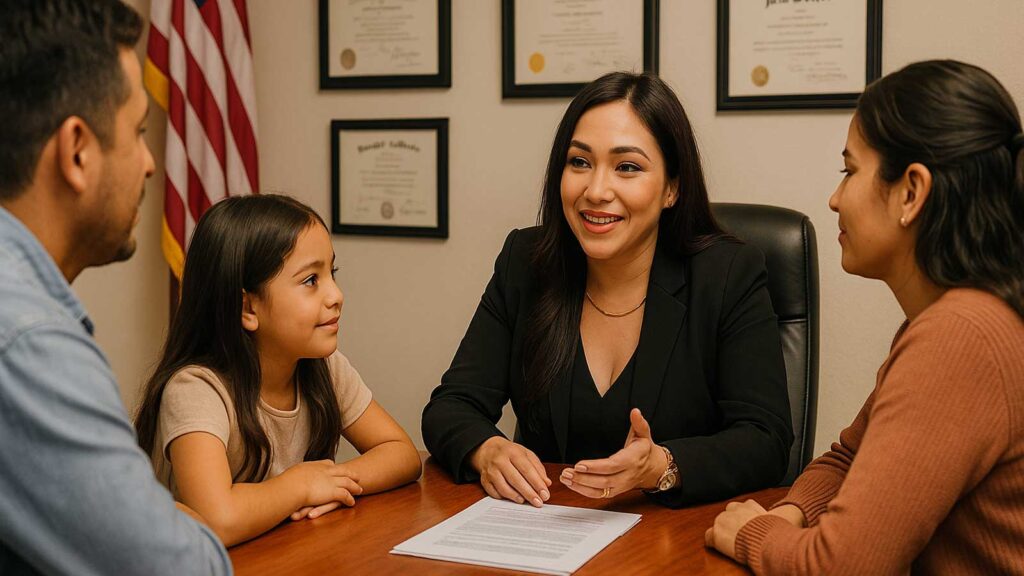
Family is at the heart of American immigration law. The United States provides several pathways for citizens and lawful permanent residents to sponsor family members, helping reunite loved ones and build new lives together. However, the process can be complex and lengthy without the right guidance. In this article, we’ll break down the family-based immigration system, including who qualifies, what the requirements are, and how to navigate the visa categories available for bringing family to the U.S.
What Is Family-Based Immigration?
Family-based immigration allows U.S. citizens and lawful permanent residents (green card holders) to sponsor certain relatives for immigration to the United States. It is one of the primary ways people from around the world achieve lawful permanent residency (a green card).
The system is designed to prioritize close family relationships and encourage family unity, though it imposes different wait times and eligibility rules depending on the nature of the relationship.
Who Can Be Sponsored for Immigration?
Immediate Relatives of U.S. Citizens
There is no annual limit on visas for immediate relatives of U.S. citizens. Immediate relatives include:
- Spouses
- Unmarried children under 21 years old
- Parents (if the sponsoring citizen is over 21)
Because there are no caps on the number of visas issued annually for this group, the process tends to move faster compared to other categories.
Family Preference Categories
For other relatives, the U.S. immigration system uses a preference category system with annual limits:
- F1: Unmarried sons and daughters (21 years or older) of U.S. citizens
- F2A: Spouses and unmarried children (under 21) of lawful permanent residents
- F2B: Unmarried sons and daughters (21 or older) of lawful permanent residents
- F3: Married sons and daughters of U.S. citizens
- F4: Brothers and sisters of U.S. citizens (citizen must be 21 or older)
Unlike immediate relatives, these categories are subject to annual visa caps, resulting in significant waiting periods — especially for F3 and F4 categories.
Basic Requirements to Sponsor a Family Member
If you are a U.S. citizen or lawful permanent resident looking to sponsor a family member, you must meet the following general requirements:
- Proof of Status: You must prove your citizenship or permanent resident status.
- Qualifying Relationship: You must prove your relationship to the person you are sponsoring.
- Financial Requirements: You must file an Affidavit of Support (Form I-864) showing that you have sufficient income or assets to support the sponsored family member, ensuring they will not become a public charge.
- Legal Capacity: You must be legally able to sponsor the person (for example, you must be at least 18 years old to sign the affidavit).
The Family-Based Immigration Process
Step 1: File Form I-130, Petition for Alien Relative
The process begins with the U.S. citizen or lawful permanent resident filing Form I-130 with U.S. Citizenship and Immigration Services (USCIS). This petition establishes the familial relationship.
Step 2: Wait for Visa Availability
For immediate relatives, visas are immediately available. For those in the family preference categories, there may be a significant wait depending on the visa bulletin, which tracks visa availability based on country of origin and category. You can view the current Visa Bulletin on the U.S. Department of State’s website.
Step 3: Consular Processing or Adjustment of Status
- Consular Processing: If the family member is outside the U.S., they must go through an interview at a U.S. consulate or embassy abroad.
- Adjustment of Status: If the family member is already lawfully present in the U.S., they may apply for a green card without leaving the country by filing Form I-485.
Step 4: Medical Exam and Interview
The immigrant will be required to undergo a medical examination and attend an interview where an immigration officer will verify the relationship and eligibility.
Step 5: Green Card Issuance
If approved, your family member will receive a green card, granting them lawful permanent residence in the U.S.
Common Challenges in Family-Based Immigration
- Long Wait Times: Preference categories, especially for siblings and married children, can face wait times of 10+ years.
- Documentary Evidence: Proving relationships, especially in countries where recordkeeping is inconsistent, can be challenging.
- Affidavit of Support: Meeting the financial requirements can be difficult for some sponsors, but co-sponsors are permitted.
For a detailed breakdown of processing timelines and personalized assistance, visit our Family Immigration Services page at Monrreal Law.
Tips for a Smooth Sponsorship Process
- File Early: Especially important for categories with long waiting periods.
- Organize Documentation: Ensure you have complete birth certificates, marriage certificates, and other evidence ready.
- Monitor the Visa Bulletin: Stay updated to know when your priority date becomes current.
- Consult an Immigration Attorney: Given the complexity and possible pitfalls, it’s wise to seek legal advice to avoid delays and rejections.
The Importance of Legal Representation
Family-based immigration is a powerful way to bring loved ones together, but the process is not always straightforward. An experienced immigration attorney can:
- Ensure that all petitions and applications are completed accurately.
- Help navigate issues like missing documents or complex family situations.
- Represent you in any legal challenges or delays that may arise.
At Monrreal Law, we have successfully guided many families through the immigration system, helping them reunite with loved ones and build their futures in the U.S.
Reuniting with family members in the United States is a dream for many, and with the right guidance, it’s a goal that can be achieved. Understanding the categories, requirements, and procedures is the first step in bringing your loved ones closer. Whether you’re sponsoring a spouse, parent, child, or sibling, preparation and proper legal support can make all the difference.
If you’re ready to begin the process or need personalized advice, contact Monrreal Law today. Our team is here to help reunite families and make the immigration journey as smooth as possible.