
Orders of Supervision (I-220A and I-220B): Travel Limits and Check-in Rules

At a glance (120 words): An Order of Supervision is an ICE ERO document that allows you to live in the community while ICE enforces an existing immigration obligation, often after a release from detention. Two common forms are I-220A (Order of Release on Recognizance) and I-220B (Order of Supervision). Both can require regular check-ins, […]
ICE Detainee Transfers: How to Track Moves and Keep Attorney Access

At a glance (120 words): ICE transfers happen for space, security, medical, or flight logistics. A transfer can change the detention facility and the court handling the case, it does not erase attorney representation. Track moves with the ICE Online Detainee Locator using the A-Number or name, date of birth, and country of birth. Call […]
Posting Immigration Bond at ERO: Who Can Pay and How Refunds Work (ICE)

At a glance (120 words): You can post an immigration “cash bond” with ICE ERO either online through the CeBONDS portal or in person at a Bond Acceptance Facility. The person who pays is the obligor. In most cases, the obligor must be a U.S. citizen or lawful permanent resident age 18 or older. Firms […]
ISAP Monitoring Rules: What Counts as a Violation and How to Fix It

At a glance (120 words): ISAP is ICE’s Alternatives to Detention program. It can use SmartLINK phone check-ins, voice ID calls, in-person visits, curfews, or GPS ankle monitors. A “violation” usually means missed or late check-ins, ignored calls or app prompts, travel outside permitted areas, address or phone changes not reported, device tampering or dead […]
I-751 Removal of Conditions: Evidence That Works (and What Triggers RFEs)

At a glance (120 words): If you received a 2-year marriage green card, you must remove conditions with Form I-751 to keep permanent residence. File in the 90-day window before the card expires, or file anytime after if you qualify for a waiver of the joint filing requirement. USCIS wants proof that your marriage was […]
ICE Detainers vs Warrants: Your Rights After an Arrest
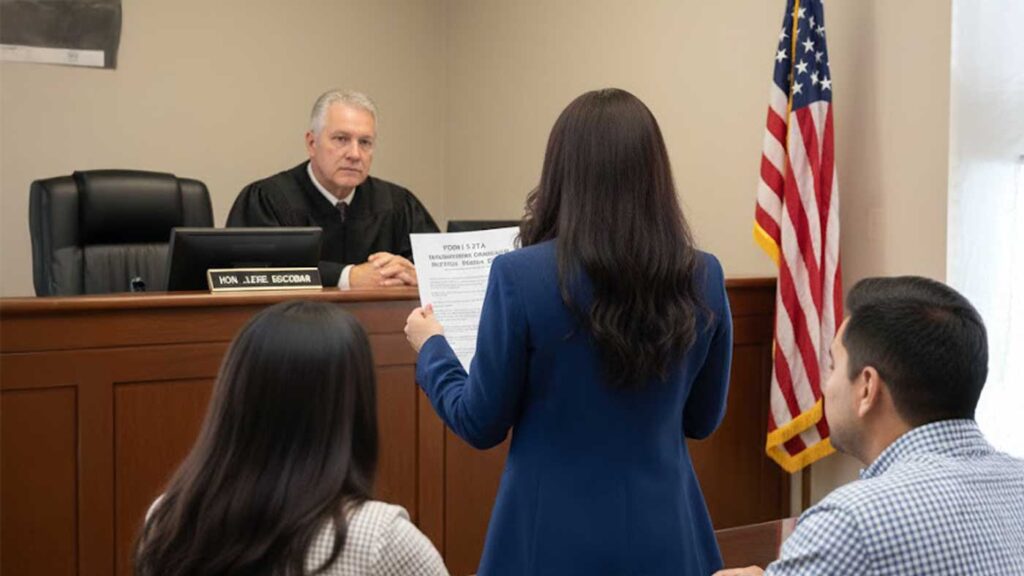
At a glance (120 words): An ICE detainer is a request from ICE to a local jail to hold a person for up to 48 hours after the jail release time so ICE can take custody. A detainer is not a judicial order and does not by itself require a jail to keep you. A […]
After an ICE Arrest: First 72 Hours

At a glance (120 words): The first three days set the tone. Confirm where the person is, who holds custody, and whether bond or parole is possible. Use the ICE Online Detainee Locator with the A-Number or name, country of birth, and date of birth. Call the ERO field office to verify location and reporting […]
ICE Home Visits: Your Rights at the Door

At a glance (120 words): If ICE knocks, you have rights. You do not have to open the door. Ask the officer to slip any warrant under the door or hold it up to a window. Look for a judicial warrant signed by a judge. An administrative warrant, such as Form I-200 or I-205, does […]
Criminal Records & Immigration: Do Expungements Help?

At a glance (120 words): In immigration law, a state “expungement” or record-sealing usually does not erase a conviction’s consequences. Under federal immigration rules, a “conviction” exists if there was a guilty plea (or similar admission) and any form of punishment, penalty, or restraint—even when a state later dismisses or expunges the case for rehabilitation. […]
ICE Check-Ins & Supervision (ISAP): What to Expect and How to Prepare

ICE Check-Ins & Supervision (ISAP): What to Expect and How to Prepare At a glance (120 words): Many people released from immigration custody must complete regular check-ins with ICE’s Enforcement and Removal Operations (ERO) or participate in Alternatives to Detention (ATD), most commonly the Intensive Supervision Appearance Program (ISAP). Check-ins may be in person, by […]